Adaptation period for occupational therapists: work, learn, get recognised
The adaptation period compensates differences between your training and the German one while you already work in your profession and get paid. Employers can apply for funding and wage subsidies.
Also for physiotherapists and nurses, together with partner schools
How the adaptation period works
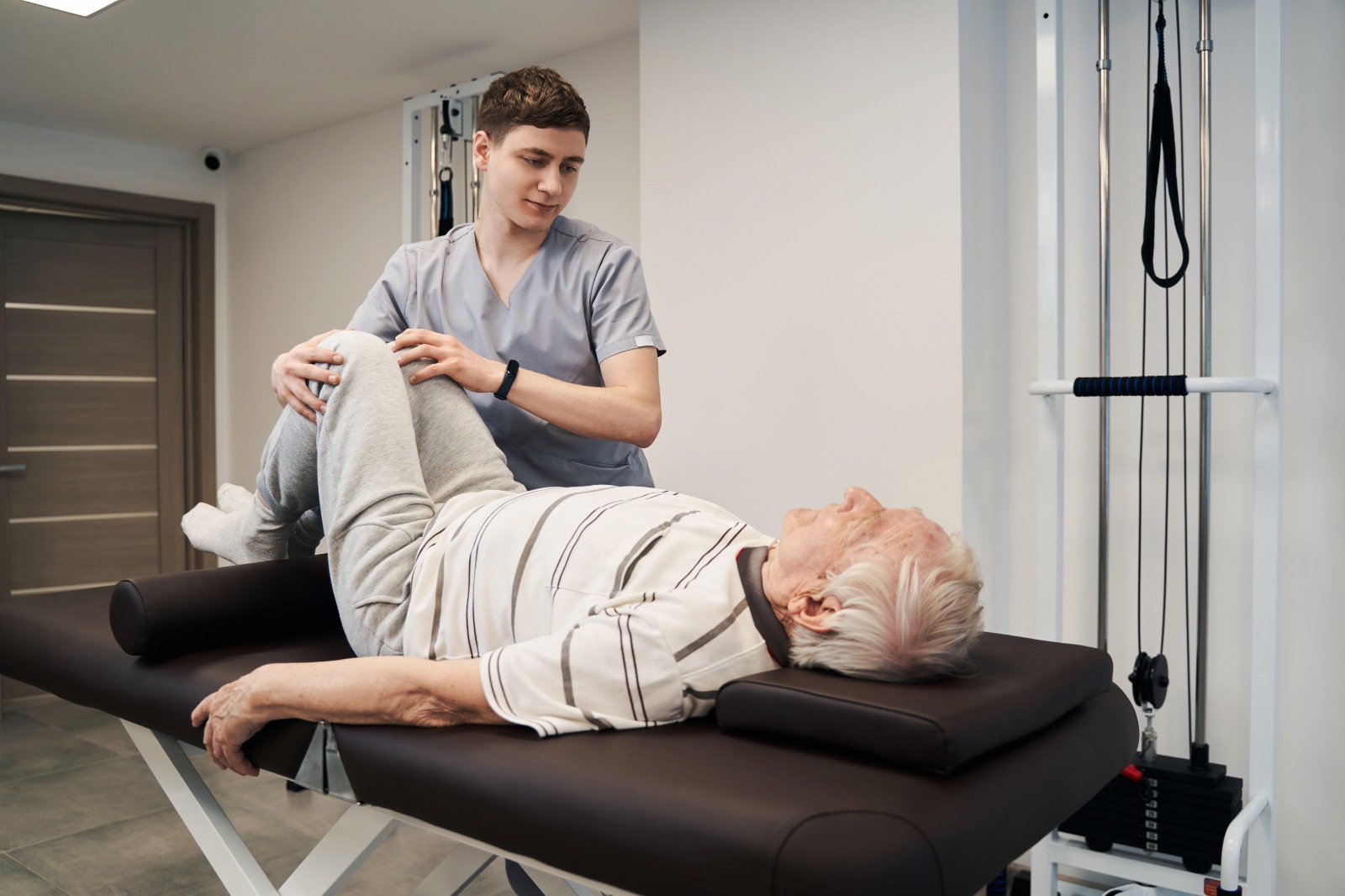
The adaptation period (Anpassungslehrgang) is supervised practical work in a practice, clinic or rehab facility, supplemented by theory lessons at a state-recognised school of occupational therapy. Content and duration are set by the state authority in the deficit notice, based on the areas where your training differs. Six to twelve months are common; up to three years are legally possible.
The period ends with a final discussion, not an exam in the classic sense. That makes it the safer route for many applicants compared with the knowledge test, especially while professional German is still developing.
- You work in your profession from day one and are paid
- You learn professional language and German treatment standards on the job
- The employer gains a professional they train themselves
Process, pay and duration
| Topic | How it works in practice |
|---|---|
| Basis | Deficit notice of the state authority stating the specialist areas and duration |
| Residence | Visa under § 16d Residence Act (recognition of a foreign qualification) or skilled-worker visa under § 18a/18b after the licence; accelerated via § 81a |
| Pay | Employed as “occupational therapist in recognition”, usually €2,300 to €2,800 gross, in clinics by collective agreement |
| Theory | Lessons at a school of occupational therapy, often in blocks; school fees partly eligible for funding |
| Completion | Certificate from the facility and school, then licence to use the professional title |
Funding and wage subsidies: what employers and applicants can apply for
Adaptation periods are deliberately funded in Germany because they bring professionals into the labour market permanently. The main instruments, each decided case by case by the Employment Agency or the competent body:
Education voucher (§ 81 SGB III)
Covers the cost of the theory part at AZAV-certified providers, partly also travel and childcare costs. Applied for at the Employment Agency at the place of work.
Wage subsidy during training (§ 82 SGB III)
Subsidy to the salary of employees who take part in funded further training during working hours. Funding rates are higher for practices and small facilities than for large companies.
Integration subsidy (§ 88 SGB III)
Wage subsidy for employers when onboarding initially means reduced performance: up to 50 percent of the salary for up to twelve months, decided by the Employment Agency.
Subsidies are discretionary benefits. Whether and how much is granted is decided by the Employment Agency. We prepare the applications and give no guarantees.
Frequently asked questions
Adaptation period or knowledge test: which is better?
The knowledge test is faster if your professional knowledge and professional German are solid. The adaptation period is more predictable because it ends without an exam and you earn a salary meanwhile. We recommend based on the deficit notice, your language level and the schools available in your region.
Do I have to pay for the adaptation period myself?
The practical work is paid by the employer. School fees apply to the theory part; they can be covered by an education voucher or the employer. We clarify this before the start so there are no surprises.
Can I do the period in any practice?
No. The facility must cover the specialist areas named in the deficit notice and have a supervising occupational therapist with a German licence. We only place with facilities that meet this.
How much German do I need as an occupational therapist in Germany?
The state authorities usually require German B2 for the professional licence. For entry into the adaptation period many authorities accept B1 if the path to B2 is documented. We assess your level in the first conversation and plan your language course with you.
Plan your adaptation period
Applicants message us on WhatsApp, employers use the enquiry form. We check deficit notice, school, funding and timeline.